
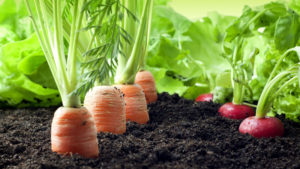
 The organic farm management plan has brought enormous benefits. It helps build a healthy global community by employing safe agricultural practices which work in harmony with our planet.
Organic farming has produced a reversal from the loss of top soil, loss of animal and plant species, contamination of waterways and defoliation.
New organic top soil is produced by composting, streams and rivers run free of toxic leaching, and plant diversity, tree cover, birds and other animal species are returning in great numbers to the plantations and surrounding areas.
Often farmers will form cooperatives where the sharing of resources creates better organisation, increases income and helps further development and awareness among farmers. This includes the sharing of knowledge of such techniques as crop diversification and rotation, botanical insect control and composting. Farm workers who have previously been on a poor wage structure, now in an organic farm management plan receive a more equitable return from production. A tea estate for example may provide a cow per household to the estate’s labour force.
The cow will produce milk for the household and is also a source of nitrogen rich compost which is sold back to the estate.
A further source of income is by a contract to apply the compost to the plantation.
It is in such ways the sustainability of organic agriculture has far reaching benefits for the growth of the community.
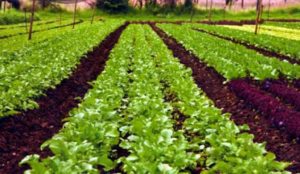
2) HOW CAN WE KEEP OUR PLANET ORGANIC?
By supporting organic farming, we help our environment and save the energy drain required to produce synthetic fertilisers. In purchasing organic products you are demonstrating your belief that carcinogens, found in many herbicides and pesticides, do not belong in our food, on the land or in the water systems of our planet.
Recently, greater awareness and increasing preference for organically grown products has brought an increased return to organic agricultural systems.
3) ARE ORGANIC PRODUCTS IRRADIATED?
Irradiation and fumigation are prohibited treatments for certified organic produce. If required, heat treatment or freezing are alternative acceptable methods.